
How important is nonprofit journalism?

Donate by May 7 and your gift to The Center for Public Integrity will be matched dollar-for-dollar up to $15,000.

David Heath

Senior Reporter  The Center for Public Integrity

Heath comes from The Seattle Times, where he was three times a finalist for the Pulitzer Prize. He co-authored an investigation of conflicts of interest surrounding clinical cancer research at a Seattle hospital. The series won the Harvard University’s Goldsmith prize for investigative reporting, the George Polk award for medical reporting, the Gerald Loeb award, the Scripps Howard Foundation’s public service award, the Associated Press Managing Editors’ public service award and the Newspaper Guild’s Heywood Broun award. Heath’s recent expose on congressional earmarks was recognized by the National Press Foundation with the Everett Dirksen award for best coverage of Congress. He is a graduate of Grinnell College and was a 2006 Harvard Nieman Fellow.

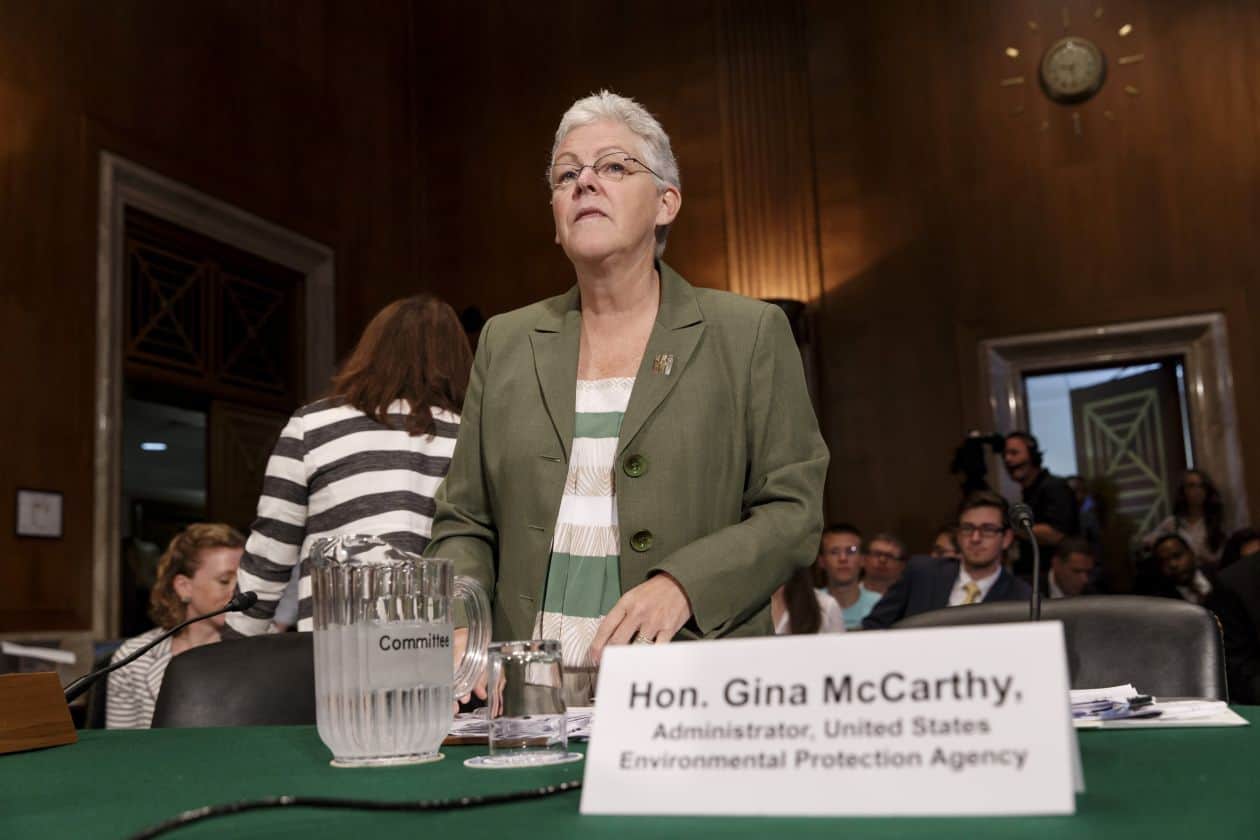
The Environmental Protection Agency announced new steps Friday to help reveal potential conflicts of interest in scientific review panels.

Tens of millions of Americans drink tap water tainted with chromium. But industry pushback has made it hard for the EPA to regulate.

The removal of a respected Maine toxicologist from a panel six years ago reveals industry influence on EPA's IRIS program

PART ONE: An EPA panel appointed to study hexavalent chromium included scientists who had consulted for industry in lawsuits.

GOP legislator in Texas says its time to end "outrageous activities" of corporate dental chains.

Court agreement ends practices feds said were deceptive, illegal

Fred Humphries, who helped initiatiate the invetigation of Patraeus, praised for his interrogations of suspected terroists

11 patients file a class action lawsuit against the corporate dental chain Aspen Dental alleging deception and violating laws in 22 states.

Sen. Charles Grassley says the business model of corporate dental chains has led to overtreating patients medicaid patients.

Joint investigation with PBS FRONTLINE finds pressure to meet production goals may have compromised treatment of poor young patients.

Pages