

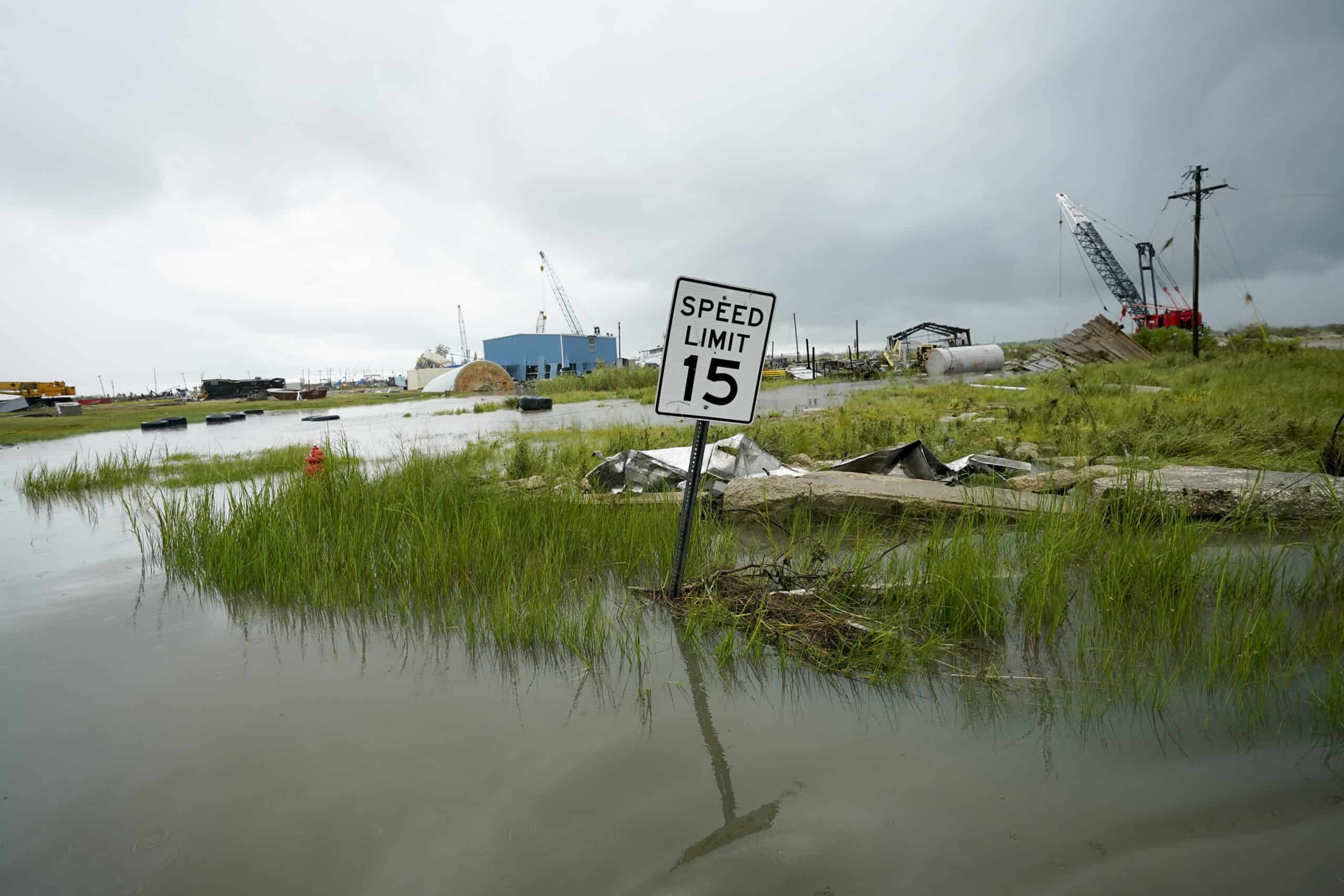
The 2020 hurricane season was so active that forecasters exhausted their list of names and had to turn to Greek letters to label all the storms. Atlantic storms, the kind that target the U.S., have been responsible for 138 deaths and more than $24 billion in damage globally this year.
On the West Coast, five of the six largest wildfires in California history ignited during a six-week period late this summer. In Oregon, residents have faced one of the most destructive wildfire seasons in modern history. In all, more than 40 people have been killed, millions of acres torched and the air dangerously polluted.
These and other disasters, including heat waves and floods, have been amplified by human activity and climate change: warmer waters in the Atlantic, drought in the Pacific Northwest.
The human toll is predictable. So, too, are the unequal effects.
Climate change is an engine driving inequality.
Preparation and evacuation both require resources: the means to stockpile food and equipment to ride out a calamity, or access to reliable transportation and somewhere to go — or enough money to secure temporary shelter.
These challenges have only increased during a global pandemic.
Many communities with the fewest evacuation resources in hurricane-prone regions of Florida, Louisiana, Mississippi and Texas are Latino and Black and are simultaneously experiencing high unemployment rates during the COVID-19 pandemic, writes Juan Declet-Barreto, a climate vulnerability social scientist with the Union of Concerned Scientists.
“Pockets of poverty and disenfranchisement across the country, linked to systemic and institutional racism, can be traced from the past into the present through slavery, genocide, the reliance on free labor from (enslaved people) or cheap labor from low-wage migrant workers, environmental injustice, Jim Crow and other forms of racial, residential, and economic segregation,” he wrote.
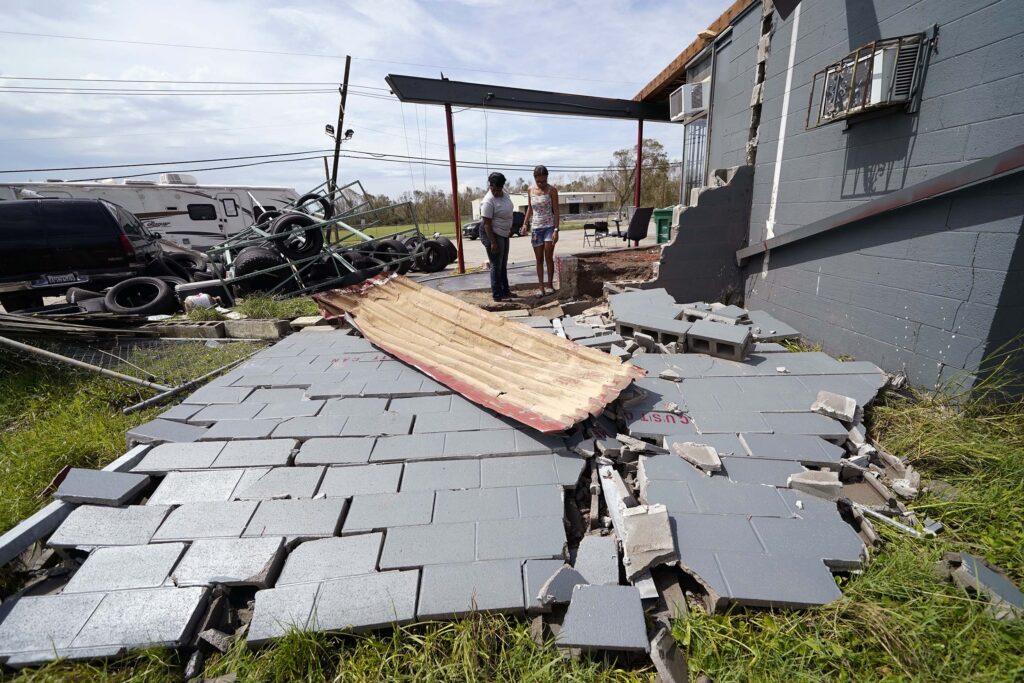
Those same barriers are a roadblock to rebuilding after a disaster, further entrenching disparities.
There’s more to recovery than fixing damaged buildings. And while it’s an overlooked part of the disaster story, the mental health toll from repeatedly dealing with wildfires, hurricanes and floods is real, mounting and unequally felt. The Center for Public Integrity, Columbia Journalism Investigations and 10 newsroom partners dug into the country’s weak response to the psychological damage of disaster in stories this summer.
Next week, Public Integrity and Columbia are hosting a public discussion about the problem. Expert panelists will talk about ways for people and communities to respond. Join the conversation on Wednesday, Oct. 7 at 5:30 p.m. Eastern. You can sign up for free here.