JOHANNESBURG, South Africa — Every morning, as the sun rises over the Indian Ocean and paints the sky a brilliant yellow, David Radebe crosses the N2 freeway into another world.
Winding like a black snake through green sugar cane fields and over rolling hills, the freeway divides two very different communities along KwaZulu-Natal's spectacular Dolphin Coast.
Thirty miles (50 kilometers) north of the harbor city of Durban, the turnoff to the right leads to the resort towns of Ballito Bay, Salt Rock and Tinley Manor, where holiday homes of the upwardly mobile and absentee landlords perch on rocky cliffs overlooking brilliant white beaches. Radebe comes here to look for work.
On the other side of the freeway, heading toward the interior and scattered between sugar cane estates, lie the houses and dwellings of small ethnic Indian communities and three black township settlements that are home to about 12,000 people. This is Nkobongo, where Radebe lives.
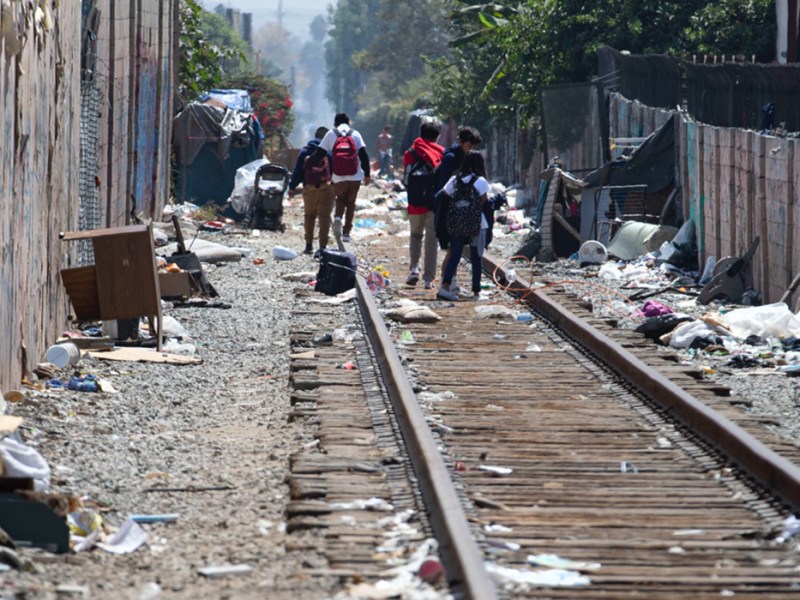
Rows of new government housing line the tidy township streets. Roads and curbs are well maintained. Electrical cables crisscross the landscape above the tin roofs, and township kids, dressed neatly in blue uniforms, make their way to "Indian schools" that now have been integrated.
But the air of progress and order belies a quiet desperation. Eighty percent of township residents live in dire poverty, well below the minimum living standard of R800 ($80) per household a month. The mobile clinic that serves the townships reports an alarming increase in cases of HIV/AIDS, tuberculosis and malnourished children. Six in 10 residents say their children went hungry in the last year.
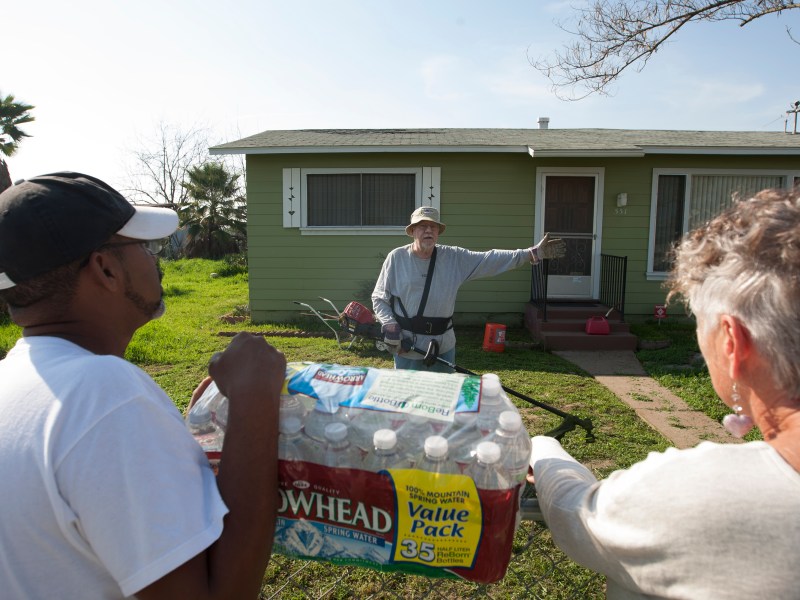
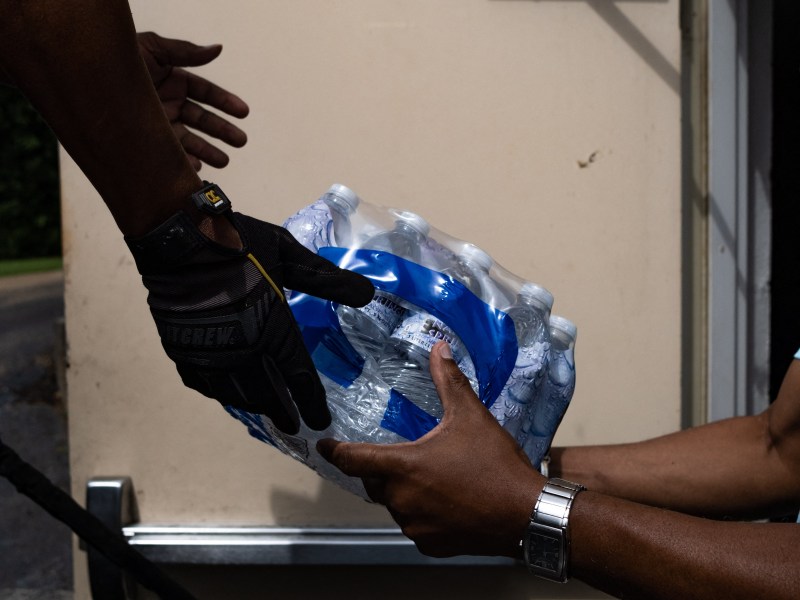
Their biggest problem, however, is water. Not because of a shortage, but because they can't afford it.