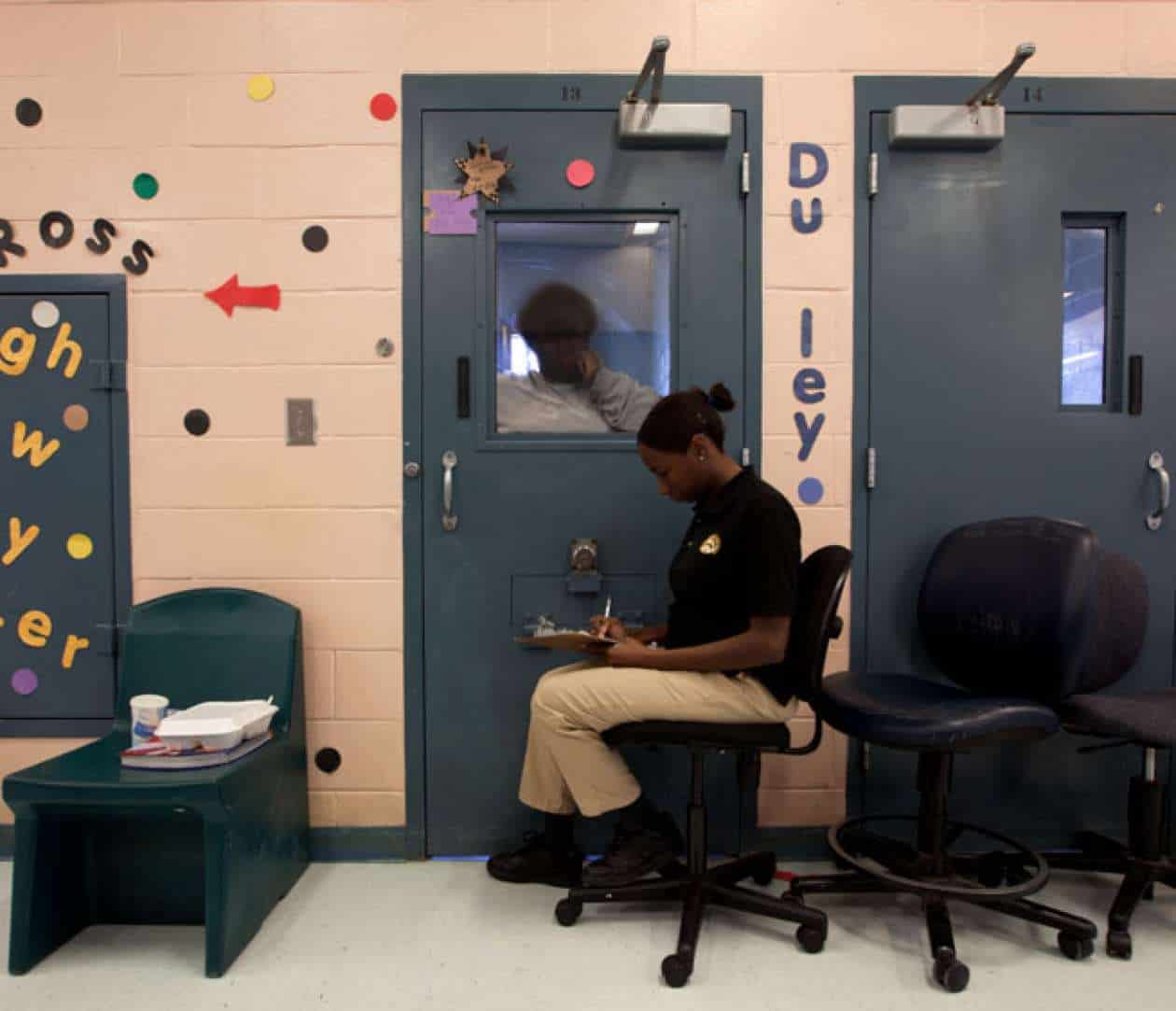
CHICAGO — In the late 1990s, Northwestern University scholar Linda Teplin launched a groundbreaking study to examine the mental health status of young people in Cook County’s juvenile lock up.
The study began a century after the county became the first jurisdiction in the world to create a separate court system for juveniles accused of delinquency.
The results, however, were not those expected of a mature juvenile justice system, they were not full of positive outcomes and they did not suggest the Cook County system as a model for others.
They were, instead, alarming. Among a random sample of 1,829 young people taken into custody in Cook County from 1995 to 1998, 66 percent of boys and 74 percent of girls were diagnosed with at least one mental health disorder, and most of these youth had two or more disorders. Half had a clinically significant substance abuse problem. Depression, anxiety, and attention deficit disorder were all widespread.
Yet Cook County’s mental health services for detained youth were paltry. Just 15 percent of youth tracked in the study received any mental health services inside the detention center, and just 8 percent received any mental health services in the community within six months of release from detention.
Teplin’s study, the largest of its kind ever undertaken, provided a wake-up call to leaders not just in Cook County but nationwide — part of a sea change in the juvenile justice field over the past decade toward growing awareness and action to address the mental health needs of court-involved youth.
“We’ve come into this, since her studies, with a much more sophisticated understanding of the needs of the kids,” says Benjamin Wolf, associate legal director at the American Civil Liberties Union in Chicago. “You are dealing with large numbers of kids with fairly substantial mental health needs.”