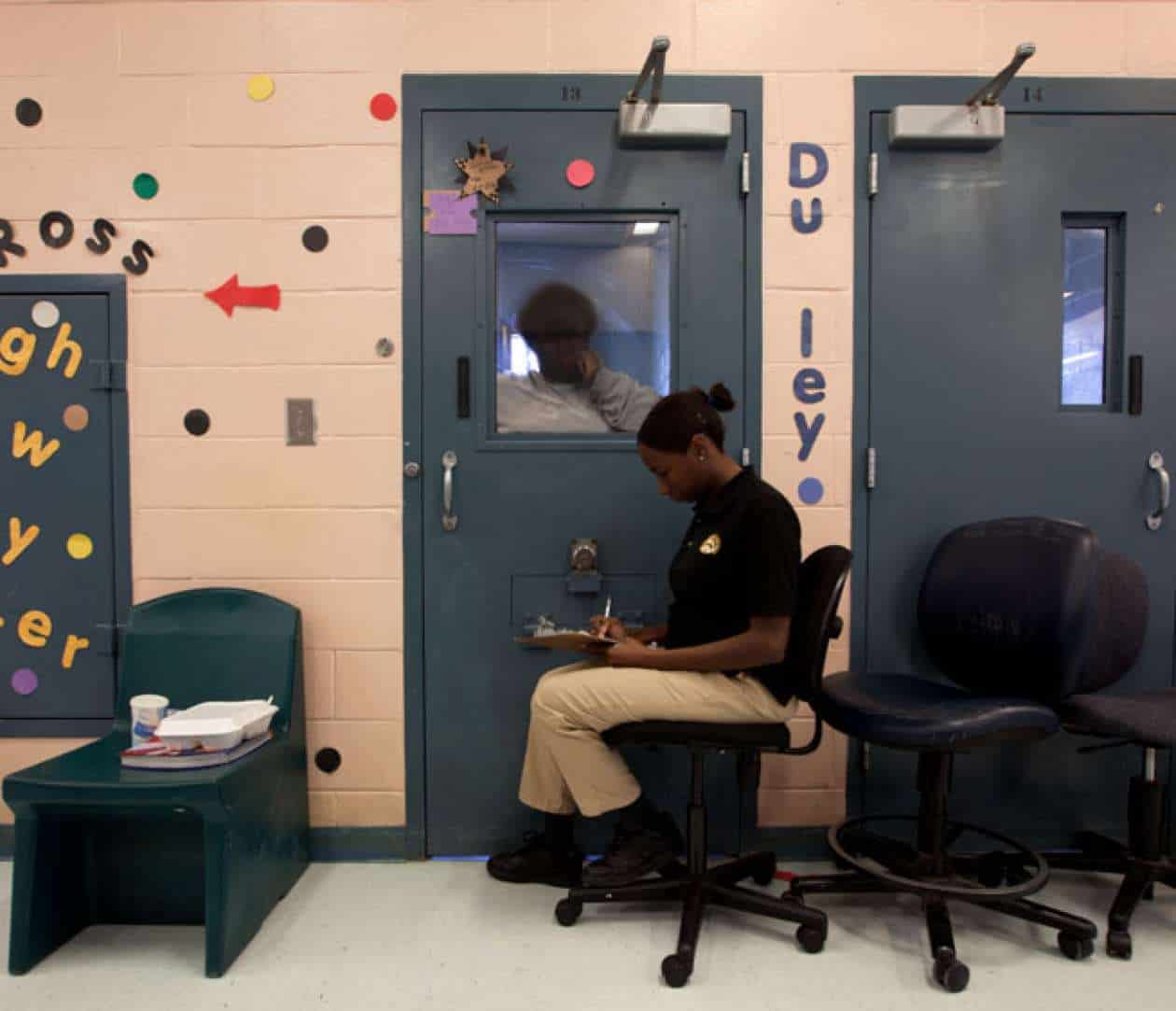
A new report on solitary confinement of minors includes harrowing descriptions of the psychological and physical impact ‘solitary’ has on young people, as well as surprising revelations about why some authorities resort to isolating juveniles.
In “Growing Up Locked Down,” the groups Human Rights Watch and the American Civil Liberties Union report that a substantial number of detained juveniles minors are placed in solitary confinement as punishment, or as part of their rehabilitation plans – or even for their own protection. Some custodians, researchers found, say they put juveniles who are in adult lockups into solitary confinement as a way to protect them from attacks by adult inmates.
Some minors interviewed said they were segregated in juvenile facilities for the same reason – to protect them from threats – and let out only for a couple of hours a day.
Released in October, the report is based on research and interviews conducted in local and state detention facilities in Florida, Colorado, Michigan, New York and Pennsylvania. Investigators also corresponded with confined minors in 14 other states.
“Because young people are still developing, traumatic experiences like solitary confinement may have a profound effect on their chance to rehabilitate and grow,” researchers said. Minors described experiencing hallucinations, cutting themselves with staples or razors and attempting suicide multiple times. Some said they were denied contact with loved ones while in ‘solitary,’ which increased their depression.
The report also says that a Pennsylvania prison official told researchers that many minors in solitary confinement are prescribed sleeping aids and other medications to help them “cope and reduce anxiety.”