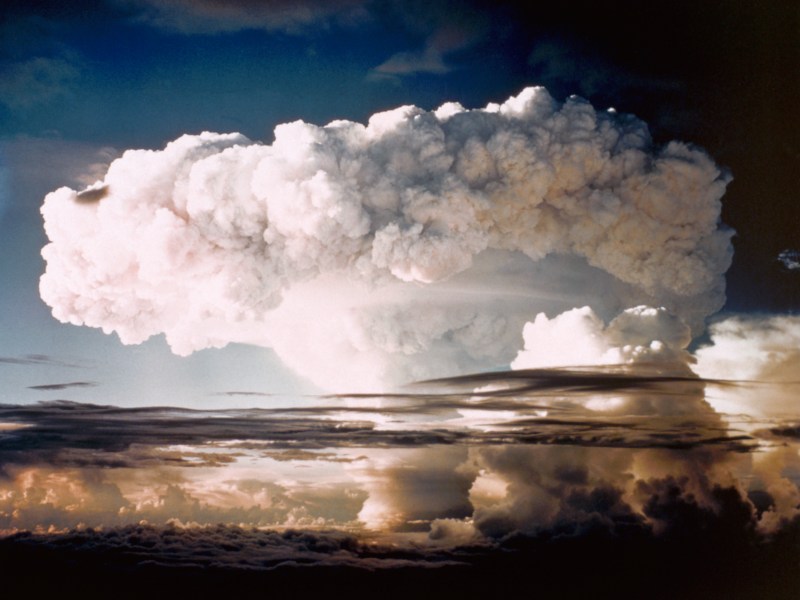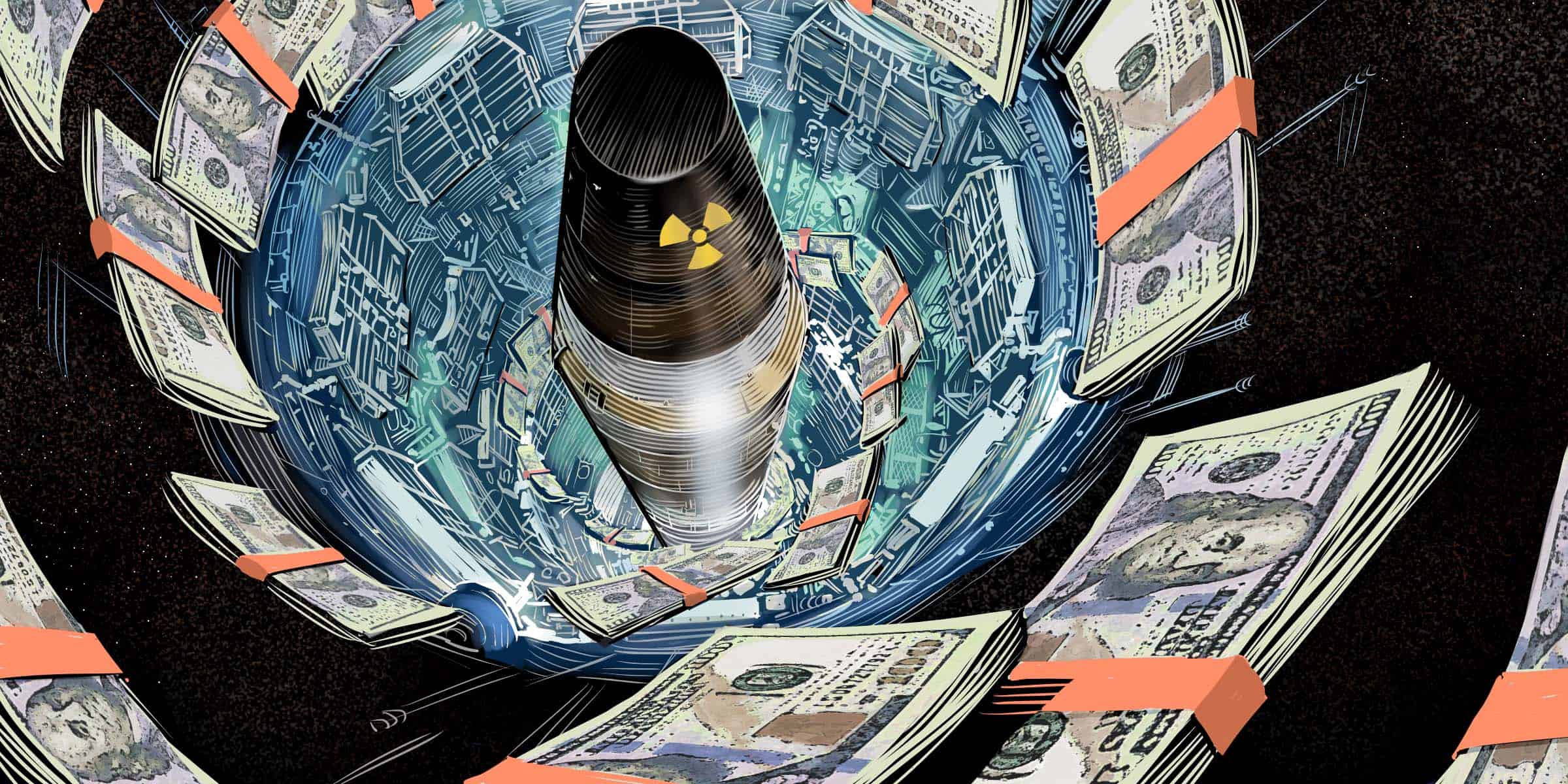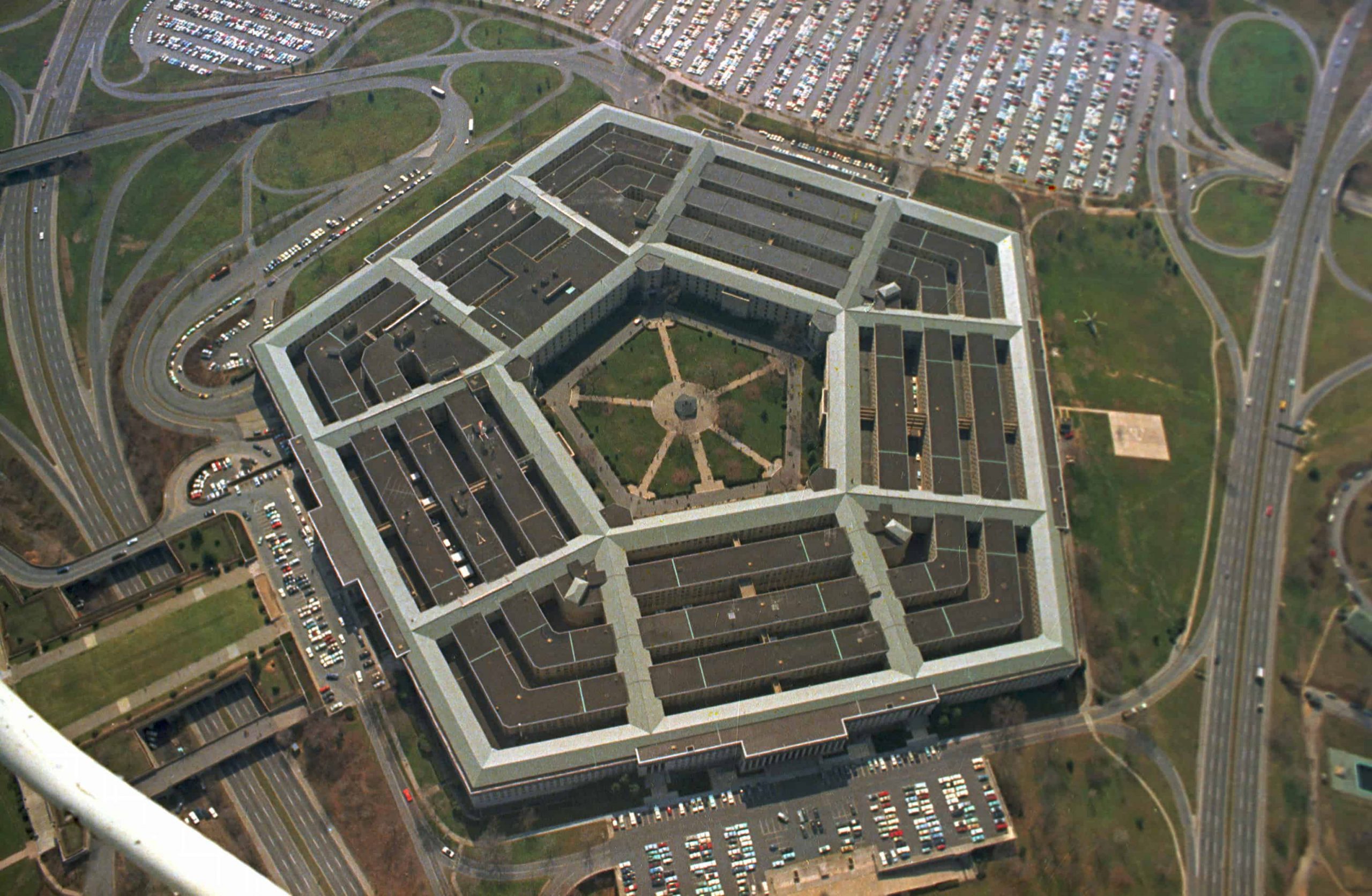

The U.S. intelligence community has confirmed in a new report that global power in the future will not be marked by the deployment of large military force or arsenals of nuclear weapons, two measures of American power that still have a large following in Washington.
In a new report entitled “Global Trends 2030: Alternative Worlds”, the National Intelligence Council said global power in that year will be reflected instead by a mix of factors, including the state of technology, health, education, and governance as well as GDP (the size of the national economy), population size, and military spending.
And by 2030, countries in Asia will have surpassed the United States in many of these power metrics, meaning that “the ‘unipolar moment’ is over and Pax Americana – the era of American ascendancy in international politics that began in 1945 – is fast winding down,” the report said. “There will not be any hegemonic power” in 18 years but instead a collection of “networks and coalitions” in which Asian nations and rising economic powers such as India, Brazil, Colombia, Indonesia, Nigeria, South Africa and Turkey will take part.
This may not seem revolutionary, but it contravenes some rhetoric that surrounded the presidential campaign, which still animates those wedded to a nostalgic model of American predominance in global affairs. The days of primacy are over, says the council, which held meetings with scholars and experts in 10 states and 20 countries, and drew on studies by national laboratories and advice from Silicon Valley entrepreneurs.
Predominance is an ambition Americans cannot expect to see fulfilled, and certainly not by doing more of what we do now, says the report, prepared by an analytic unit of the White House’s Director of National Intelligence.